
On vulnerability, making art and finding yourself in someone else's work.
Tracey Emin is a bit of a rock star in my art world. She’s one ballsy woman who has never held back. So when I heard she was having a retrospective exhibition, I sweet-talked my husband into the idea, then a friend, and next thing I knew, I was standing outside Tate Modern in London.
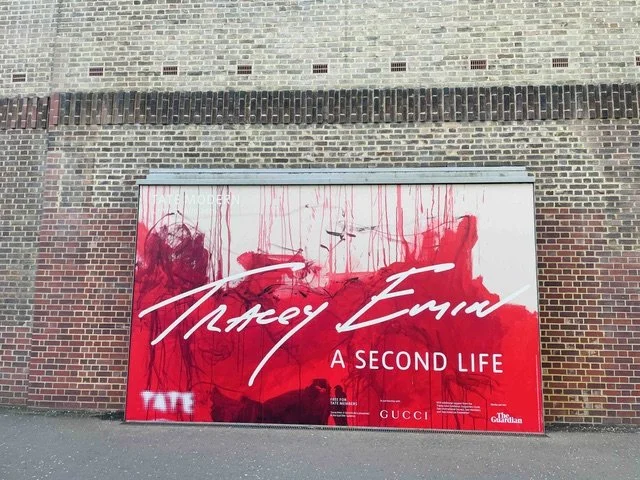
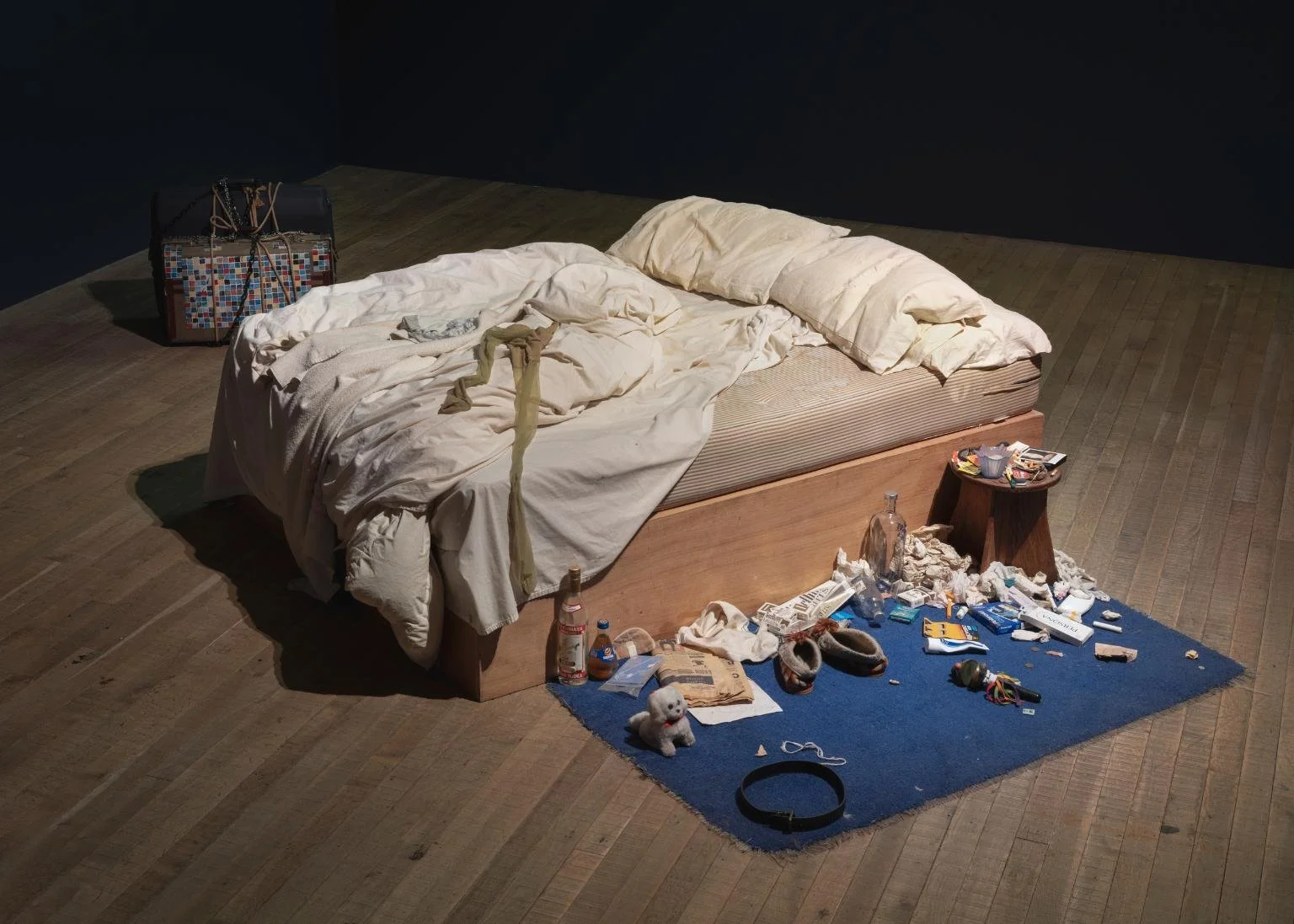
For those who don’t know her work, Emin came to prominence in the 1990s. In 1999, her work My Bed was shortlisted for the Turner Prize. The installation, which included her unmade bed and the debris of a difficult period in her life, caused an uproar. It was later bought by Charles Saatchi and sold at auction in 2014 for £2.5 million.
Emin’s work is autobiographical. She deals with subjects such as sexual assault, abortion, relationships, loss and illness. Things many of us might struggle to talk about, let alone put on public display.
The retrospective brings together paintings, tapestries, embroidery, diary entries, video and sculpture. It’s divided into two parts. The first looks at her early life and the work that made her famous. The second looks at life after her bladder cancer diagnosis in 2020 and the major surgery that followed.
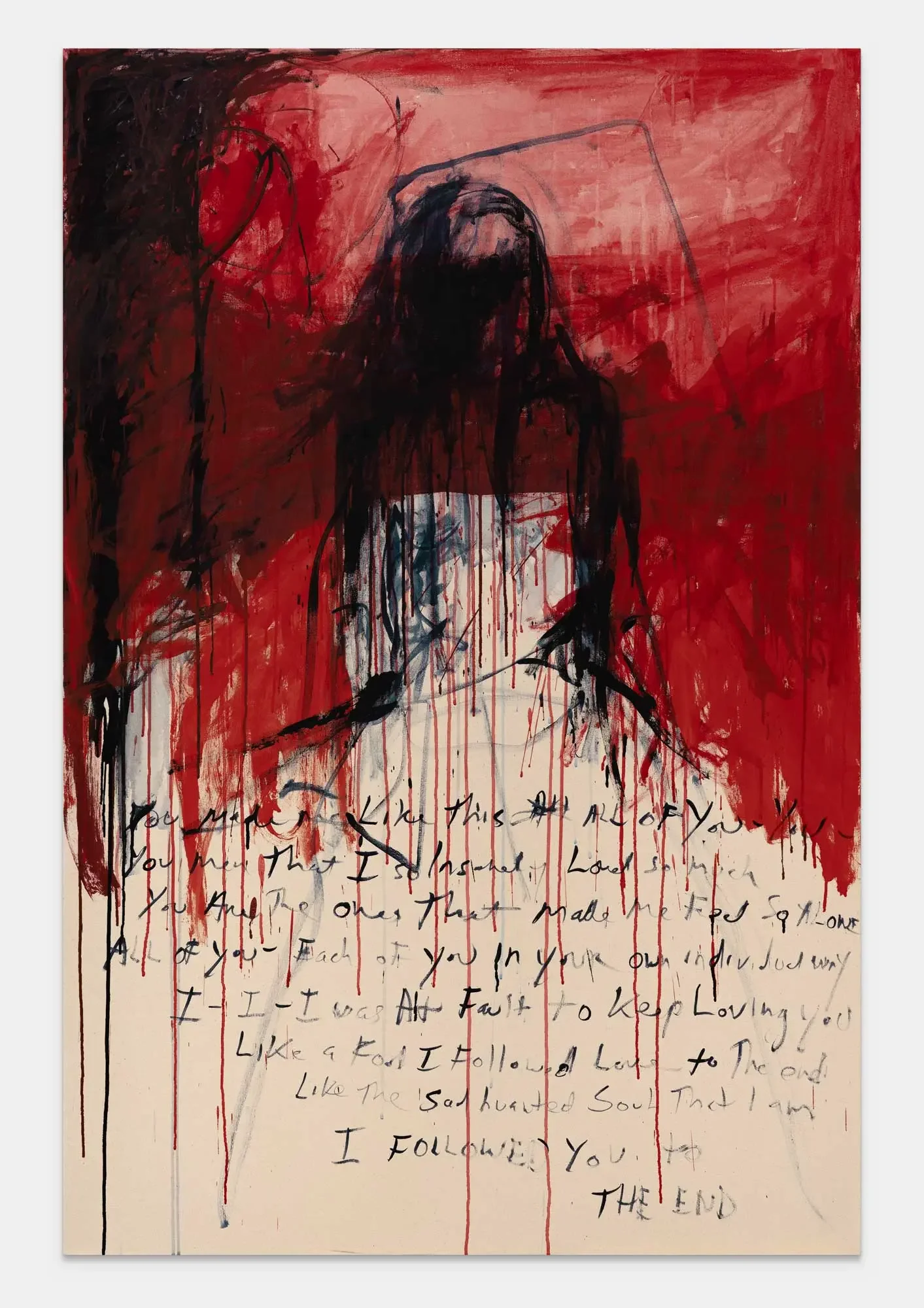
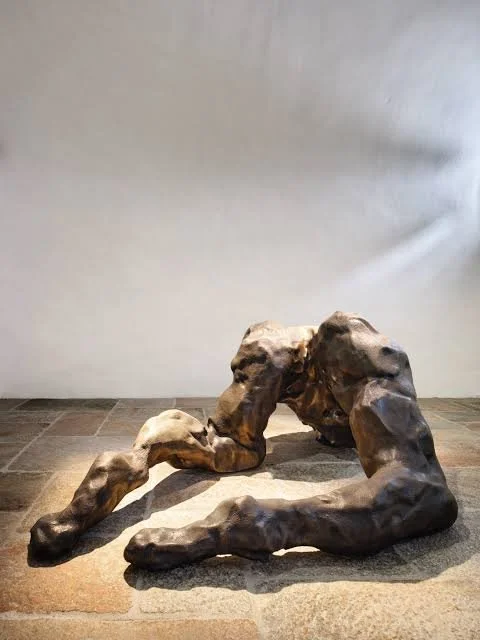
The work isn’t comfortable. It’s raw and brutal. But it’s honest, and I think that’s what earns it respect. When someone bares so much of themselves, you want to look properly rather than turn away. Somewhere in that looking, it became beautiful for me. Not pretty, but something much tougher and more real.
Much of her work is about herself, but the longer you look, the more you start to see other women. And then, perhaps, something of yourself. This was what surprised me. I’m probably everything Emin isn’t. I’m deeply private and controlled, both in my life and in the way I paint. I don’t put my own life on display in the way she does. Yet her paintings, in particular, gave me hope. Looking at them, I felt as though a portal had opened. I wanted to lean in and look a little longer. Perhaps that’s what Tracey Emin allows us to do. She makes it possible to look at difficult things without turning away. And somewhere in her very personal stories, you find something that feels universal.
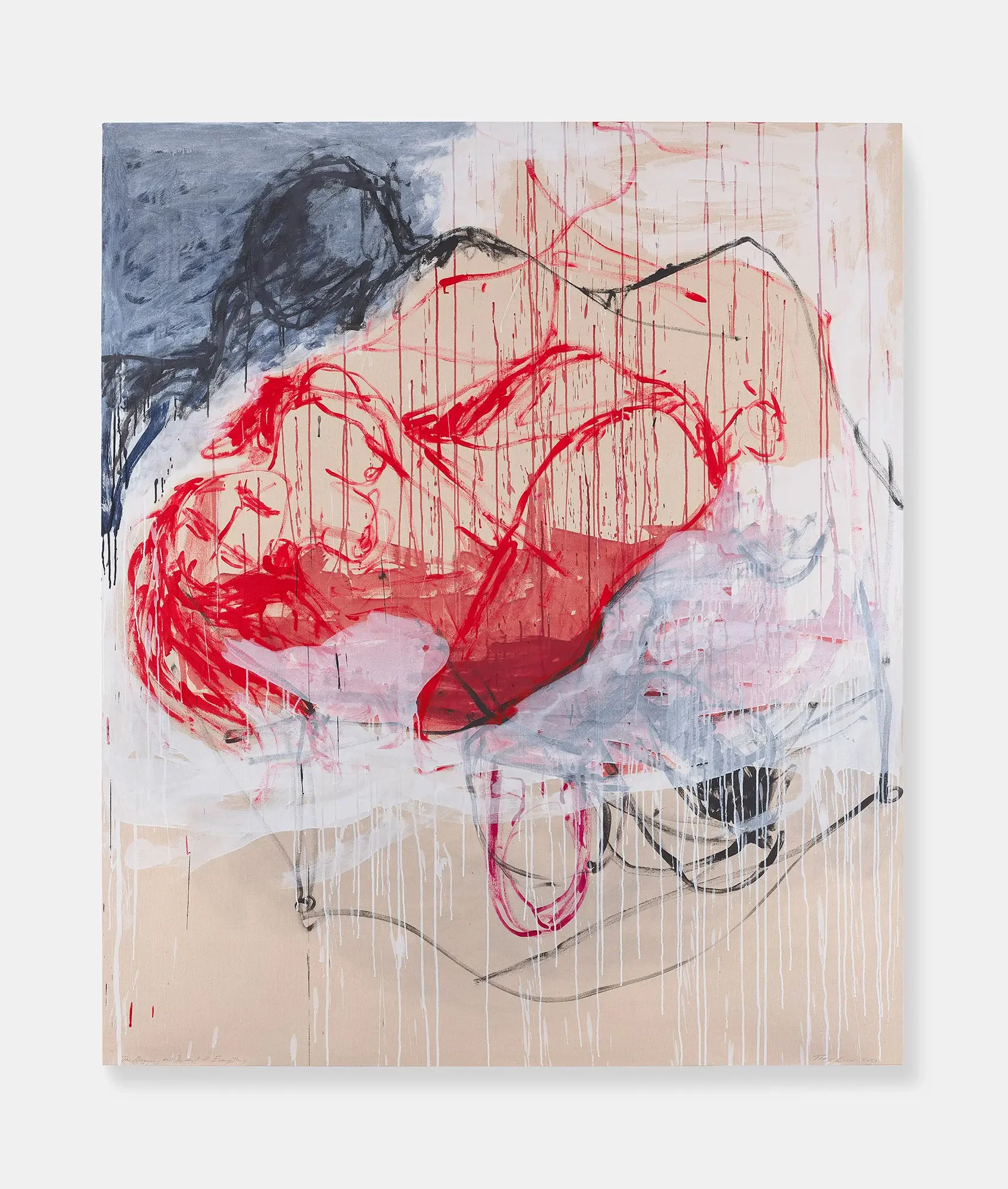
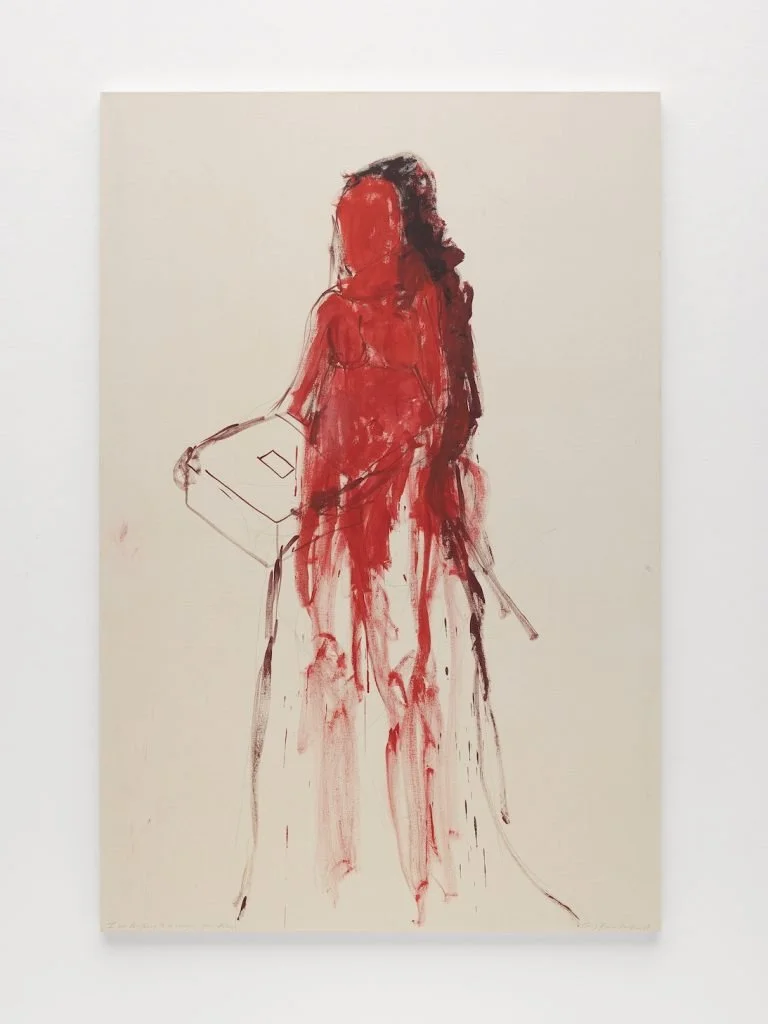
She’s been through an enormous amount, and the retrospective doesn’t shy away from any of it. What struck me was that she’s still making work and finding new ways to use her experience. Back in Margate, where she grew up, she’s established TKE Studios in a former bathhouse, providing subsidised studio space for working artists. After spending so much of her career putting her own life into her work, she’s now helping other artists find their feet, too. And I like that.
And then there are her cats, Teacup and Pancake, who appear in some of her more recent work. Emin has said, “There are some things that make me feel good.” For those of us who love cats, that needs no explanation.
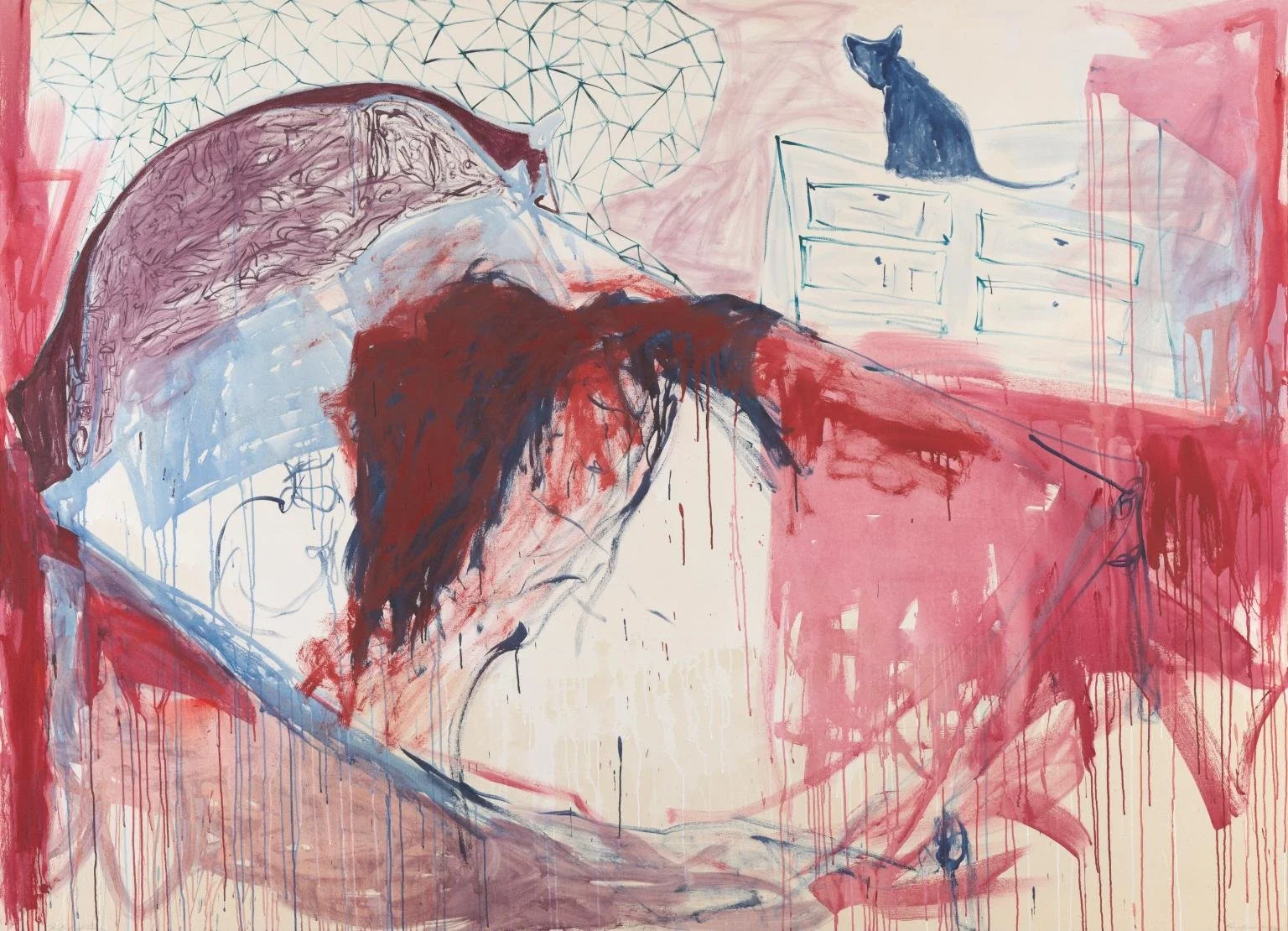
I left Tate Modern thinking about how much her work had affected me, and why. I don’t think I’ll ever be as outspoken as Tracey Emin. But I was reminded that you don’t have to live or make art in the same way as someone else to find something meaningful in their work. Sometimes you just have to keep looking.
Until next time,
Nicola
Nicola Bouwer is a Johannesburg-based South African artist working in hand-cut analogue collage and oil painting.